
Automatically find what you like! Encontrar automáticamente lo que te gusta! The self-exploration is activated in 5 minutes and is repeated in this same interval infinitely, if you are watching a video or TV, enter that publication that contains such audiovisual medium by clicking on its title to enjoy it continuously. La autoexploración se activa en un lapso de 5 minutos a partir de tú visita y se repite en este mismo intervalo infinitamente. Si estas mirando un vídeo o TV, entra a esa publicación que contiene tal medio audiovisual dándole clic en su titulo para disfrutarlo continuamente. Si quieres ya que se te muestre tus publicaciones favoritas, pulsa el botón o EXPLORAR.
Featured Post
IMPORTANT: Before starting you must meet these requirements
Bienvenido. IMPORTANT: Antes de iniciar debes de cumplir estos requisitos Bienvenido al mundo Welcome to the world para estar en el siglo XXI. Las cuentas de uso comun son gratuitas
Recent Posts
Venezuela Para Ti Four you Criminales socialistas en el poder
-

Venezuela Para Ti Four you Criminales socialistas en el poder
-

Venezuela convulsa crisis todo el mundo habla
-
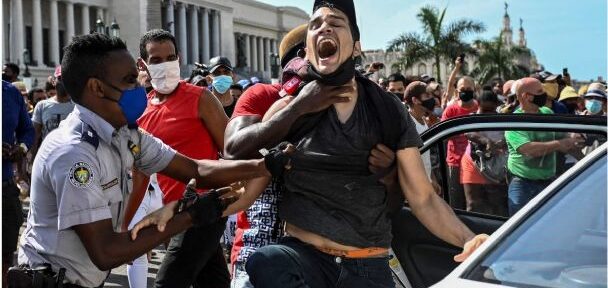
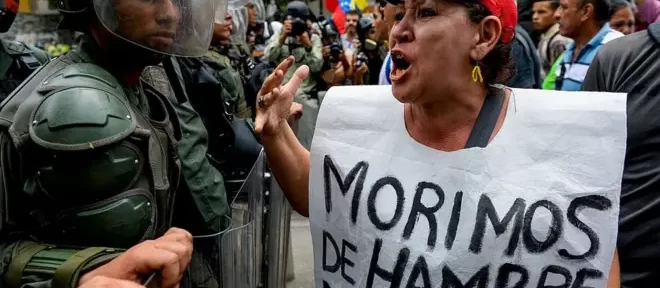
Pueblo Venezolano clamando ayuda Mirar lo que pasa
-

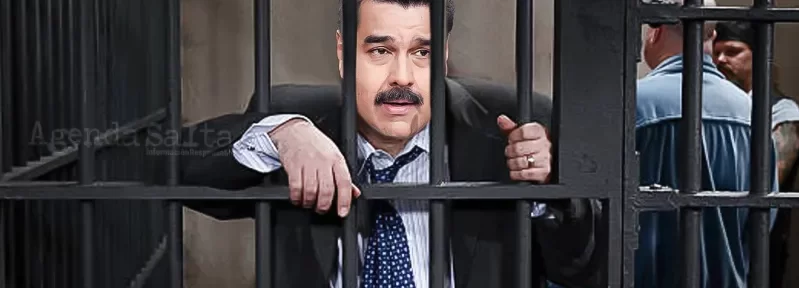
Maduro dictador Sudamerica popular: Mirar socializar
Venezuela Para Ti Four panic. Ladrones que ademas de robar puestos publicos se quieren robar la Patria.
Esta patria que son todos los espacios fisicos y poblacion delimitadas por fronteras. Pero los pueblos como venezuela se liberan de tal dictador. A la par grupos mafiosas intentan el espionaje total de un pais y la poblacion ignora totalmente el pedido de entregar sus datos biometricos a estos ladrones. Los pueblos que ya estan concientes ejercen su soberania civil como individuos libres de evitar entregar sus datos a hampones.
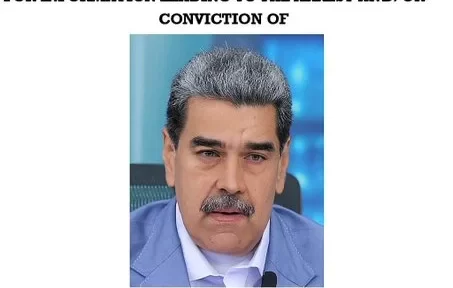
Venezuela Para Ti Four panic. Delitos de maduro y socialistas: Robo de elecciones..
Venezuela Para Ti Four panic. Allegations of Electoral Fraud Surround Maduro and PSUV in Venezuelan Elections
Allegations of electoral fraud and manipulation have persistently surrounded the government of Nicolás Maduro and the United Socialist Party of Venezuela (PSUV). Numerous national and international actors, including opposition parties, non-governmental organizations, and foreign governments, have questioned the legitimacy of various electoral processes in the country, citing a range of irregularities that they claim undermine the democratic principles of fairness and transparency.
Venezuela Para Ti Four panic. These accusations have been particularly prominent in the presidential elections of 2018 and the regional and local elections of 2021, as well as in other electoral events. International bodies such as the Organization of American States (OAS) and the European Union have issued reports and statements expressing serious concerns about the electoral conditions in Venezuela. For instance, following the 2018 presidential election, the OAS General Secretariat declared that it did not recognize the legitimacy of the results, pointing to a lack of basic guarantees for a free and fair process.
Similarly, the Carter Center, an organization with a long history of election monitoring, has also criticized the Venezuelan electoral system. While it has not always used the term “fraud,” it has highlighted significant shortcomings that affect the fairness of the elections.
The accusations of electoral malpractice are multifaceted and include a variety of reported irregularities. Among the most frequent claims are:
- Disqualification of Opposition Candidates: A common complaint is the arbitrary disqualification of prominent opposition leaders from running for office, a tactic seen as a way to eliminate political competition.
- Lack of Independence of the National Electoral Council (CNE): Critics argue that the CNE is not an impartial body and instead operates under the influence of the ruling party. Denunciations have even emerged from within the CNE itself, with some board members publicly questioning the transparency and veracity of the results.
- Unequal Access to Media and State Resources: The opposition has consistently denounced the overwhelming advantage of the ruling party in terms of media coverage and the use of state resources for campaigning, creating an uneven playing field.
- Voter Coercion and Intimidation: There have been numerous reports of voter intimidation and coercion, including the use of the “Carnet de la Patria” (Fatherland Card) to link access to social programs with political support.
- Irregularities on Election Day: These include the arbitrary relocation of polling stations, delays in the opening and closing of voting centers, and the presence of pro-government groups, known as “colectivos,” near polling places.
- Questionable Audits and Lack of Transparency in the Vote Count: Concerns have also been raised about the integrity of the vote counting and auditing processes, with opposition parties often denied full access to verify the results.
In response to these allegations, the Venezuelan government and the CNE have consistently denied any wrongdoing, asserting that the country’s electoral system is robust, transparent, and auditable. They often attribute the criticism to politically motivated campaigns orchestrated by domestic opposition groups and foreign powers, particularly the United States, aimed at destabilizing the government. The government maintains that the elections are conducted in accordance with Venezuelan law and that the results reflect the will of the people. They have also pointed to the participation of some opposition factions in certain elections as evidence of their legitimacy.
Despite these defenses, the persistent and widespread nature of the accusations. Supported by reports from a range of international observers and organizations. Has led to a significant portion of the international community and the Venezuelan opposition refusing to recognize the legitimacy of several election results under the Maduro government. This has contributed to the ongoing political and institutional crisis in the country.